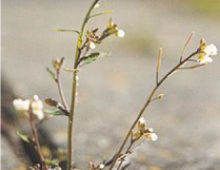
The rhizosphere is the space in, on and around the plant roots where microbes in the plant interact with the microbes in the soil. The DOE JGI did a study with the plant Arabidopsis. [Read More]
The DOE Joint Genome Institute is also a national user facility focused on developing tools that more cost-effectively enable the assembly and analysis of the sequence that it generates. [Read More]
Nitrification is the process by which ammonia is converted first into nitrites and then into nitrates, a form of nitrogen that can then be used by plants to grow. However, understanding how the nitrogen cycle works in marine environments is equally crucial. Until 1977, scientists believed that ammonium could only be oxidized by aerobic bacteria…. [Read More]
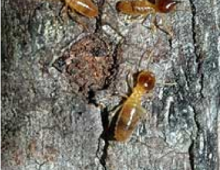
Realtors and homeowners cringe at the thought of termites on their properties, but for bioenergy researchers, these insects are rich harbors of microbial communities that can break down woody lignocellulose. In 2007, the DOE Joint Genome Institute sequenced the microbes in the hindgut of termites from Costa Rica (from the Nasutitermesgenus) to identify the genes… [Read More]
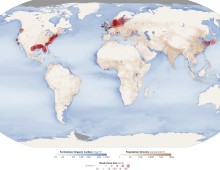
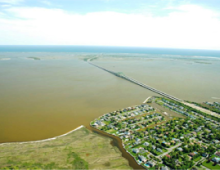
Four years after it first appeared and devastated the scallop industry, the algal masses that turned the bays of Long Island, NY brown disappeared. [Read More]
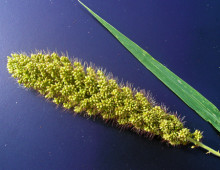
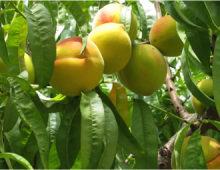
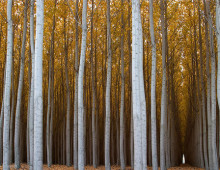
Several plants sequenced by the DOE Joint Genome Institute have been considered “flagship” genomes due to their importance to DOE mission and plant science. Among these plants are poplar, the first tree sequenced and a candidate bioenergy feedstock, and soybean, the primary source of biodiesel in the United States. Other plant genomes are important for… [Read More]
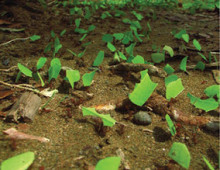
Leaf-cutter ant colonies are comprised of millions of ants harvesting hundreds of kilos of leaves annually for use in growing their primary food source, a fungus. The fungal gardens tended by these ants allow them to convert plant biomass on a very large scale. Bioenergy researchers are looking at the microbial composition of the fungal… [Read More]
The Food and Agriculture Organization reported that salt levels in the soil is reducing the world’s agricultural lands at the rate of one percent a year. Concerns over feeding a growing global population with limited arable land have led to interest in developing salt-tolerant crops for food and fuel Found on the seashores of eastern… [Read More]