
Developed as a means of introducing the concept of DNA synthesis/synthetic biology to the general public and how it is used at the U.S. Department of Energy Joint Genome Institute (DOE JGI) and the Joint BioEnergy Institute (JBEI) for biofuels research, Bioscriber debuted on October 13, 2012 at the Berkeley Lab Open House. The initial…
From Form to Function: 2013 DOE JGI Community Sequencing Program Portfolio Announced
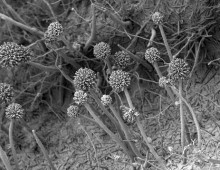
For architects, “form to function” means designing a building that best serves its intended purpose. For genomics researchers, the term could be applied to the ongoing transition from not just studying the genetic code of an organism, but also understanding what roles those genes play in the biology of the organism that encodes them. Several…
Button Mushroom Marks Niche in Forest Carbon Storage
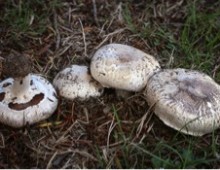
Many people know the button mushroom (Agaricusbisporus) as a tasty ingredient in their food. In the forest, though, this mushroom helps break down leaf litter in environments rich with humus, a mixture of soil and compost that contributes to the health of the microbial communities in, on and around the plant as well as the…
Button mushroom genome in WalesOnline
As part of an international collaboration, Swansea University researchers have found the soft round fungus (Agaricus bisporus) plays a key part in the carbon cycle which makes the planet habitable.And, bizarrely, it could even one day form the basis of new plastics and bio-oils. Read more at WalesOnline
Button mushroom release from the University of Bristol
new work shows how its genes are actually deployed not only in leaf decay but also wood decay and in the development of fruiting bodies (the above ground part of the mushroom harvested for food). The work also suggests how such processes have major implications for forest carbon management. The analysis of the inner workings of…
Adaptable Button Mushroom Serves Up Biomass-Degrading Genes Critical to Managing the Planet’s Carbon Stores
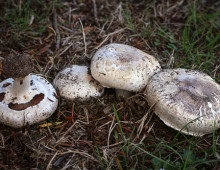
The button mushroom occupies a prominent place in our diet and in the grocery store where it boasts a tasty multibillion-dollar niche, while in nature, Agaricus bisporus is known to decay leaf matter on the forest floor. Now, owing to an international collaboration of two-dozen institutions led by the French National Institute for Agricultural Research…
Comparing White Rots to Shed Light on Wood-Colonizing Habit
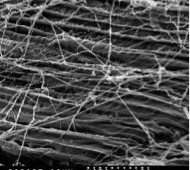
White-rot basidiomycetes can degrade all components of lignocellulosicbiomass, including lignin, cellulose and hemicellulose. Thus, harnessing the metabolic potential of these organisms is key to developing cost-effective technologies for the production of renewable energy and value-added co-products from residual plant biomass. A comparative analysis of the white rot fungus, Phanerochaetecarnosa, isolated from softwoods, andPhanerochaetechrysosporium, isolated from…
Targeted metagenomics approach pins down role of “wild” alga

Marine microbes play key roles in cycling carbon between the atmosphere and the ocean depths, but little is known about their populations throughout the waters. As global temperatures change, so do these populations, which in turn impacts their contributions to the carbon cycle. Researchers want to learn more about these effects, but one of the…
32 papers in one day – ENCODE project’s first reports
The papers published Wednesday recount more than 1,600 experiments involving more than 180 different cell types, said Richard Myers, president of the nonprofit HudsonAlpha Institute for Biotechnology in Huntsville, Ala.“They have shown how the millions of switches in the human genome determine which proteins in the body are going to be made, how they will work together, and how…
Algal Lipid Pathways Linked to Those in Plants and Fungi
Red algae play an important role in carbon and nitrogen cycles in the ocean, and are potential biomass for biofuel production. However, few red algae have been studied at the genomic level to date. An international collaboration of researchers has found that some species of the extremophilic red algae Porphyra have a pathway similar to…